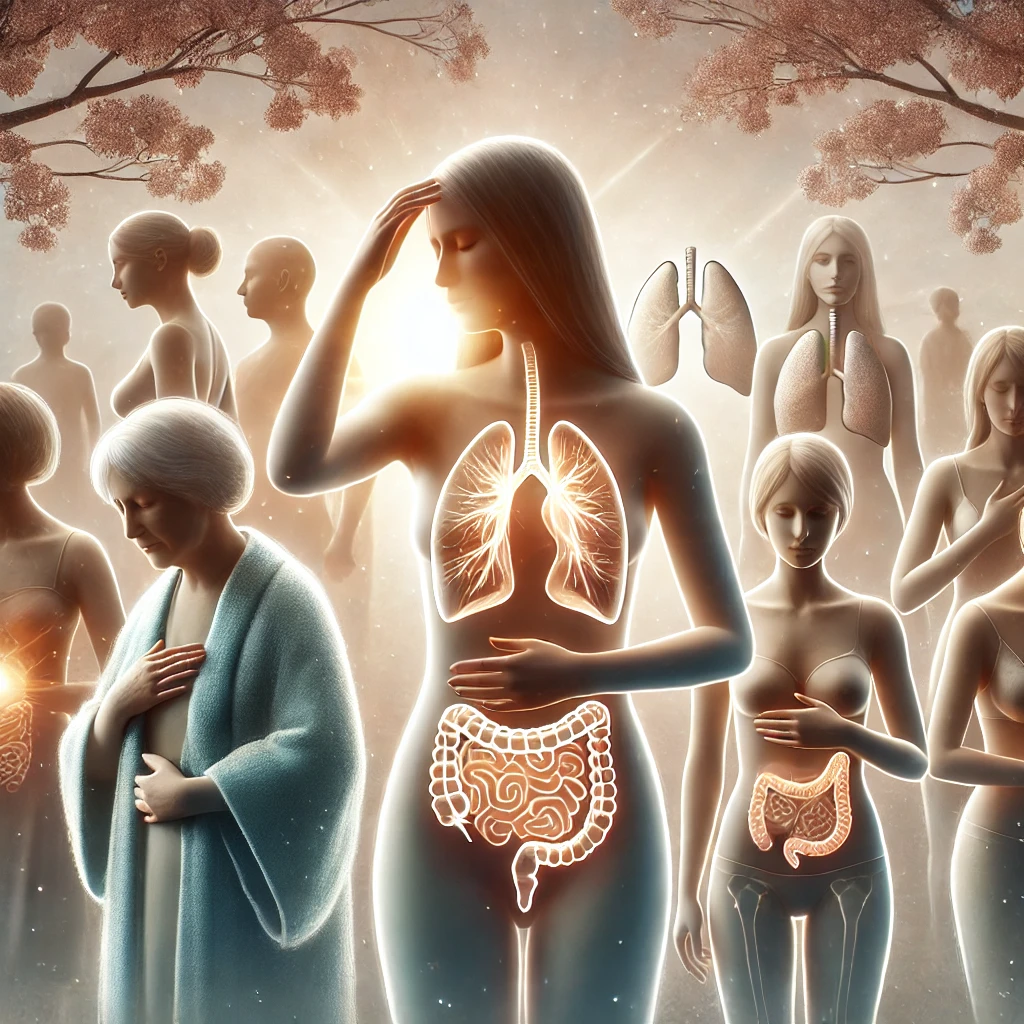
Women’s health often conjures up images of reproductive rights, maternity care, and breast cancer awareness. While these are critical areas, millions of women face other lesser-known health challenges daily. These silent epidemics often go unnoticed, undiagnosed, or untreated due to a lack of awareness, stigma, and inadequate research. In 2024, it’s time to highlight these invisible issues and advocate for better understanding, diagnosis, and treatment.
1. Endometriosis:
Endometriosis is a condition where tissue similar to the lining of the uterus grows outside of it, causing severe pain, heavy periods, and, in some cases, infertility. Despite affecting an estimated 10% of women globally, endometriosis remains primarily misunderstood and underdiagnosed. On average, a woman takes 7-10 years to receive an accurate diagnosis.
Why the delay? Symptoms of endometriosis are often dismissed as “normal period pain,” and there is still a lack of awareness among healthcare providers. Additionally, current treatments, like hormone therapy or surgery, don’t work for everyone and often come with significant side effects. More research, funding, and public awareness are crucial to understanding the causes of endometriosis and developing more effective treatments.
2. Autoimmune Diseases
Autoimmune diseases, like lupus, rheumatoid arthritis, and multiple sclerosis, disproportionately affect women. Around 80% of people with autoimmune diseases are women, yet these conditions often receive less attention and research funding compared to other health issues.
Autoimmune diseases can be challenging to diagnose because their symptoms often overlap with other conditions and can be easily dismissed or attributed to stress or anxiety. Women frequently report feeling unheard by healthcare providers, which can delay diagnosis and treatment. Raising awareness about the gendered nature of autoimmune diseases is vital to ensure earlier diagnosis, better treatment options, and a higher quality of life for those affected.
3. Heart Disease
Heart disease is often thought of as a “man’s disease,” but it’s the leading cause of death for women worldwide. Heart disease kills more women each year than all forms of cancer combined. Yet, the symptoms of a heart attack in women can be quite different from those in men, often presenting as nausea, back pain, or extreme fatigue rather than the stereotypical chest pain.
This misconception leads to a significant gap in diagnosis and treatment. Women are more likely to be misdiagnosed or to receive less aggressive treatment than men. It’s crucial to educate both healthcare professionals and the public about the unique ways heart disease manifests in women and to promote gender-specific research to develop more effective prevention and treatment strategies.
4. Polycystic Ovary Syndrome (PCOS)
Polycystic Ovary Syndrome (PCOS) is a hormonal disorder affecting up to 10% of women of reproductive age. It’s commonly associated with infertility, but its impact goes far beyond the ability to conceive. Women with PCOS are at higher risk for diabetes, cardiovascular disease, and mental health issues like anxiety and depression.
Despite its prevalence, PCOS remains underdiagnosed and misunderstood, partly because its symptoms, like weight gain, irregular periods, and acne, are often seen as cosmetic or lifestyle issues. Increased education for healthcare providers, better diagnostic criteria, and more comprehensive treatment options are necessary to support women living with PCOS.
5. The Overlooked Crisis of Osteoporosis
Osteoporosis, a condition that weakens bones and makes them more susceptible to fractures, is often seen as a disease of old age. However, it is a critical issue for women, who are more likely to develop osteoporosis than men due to hormonal changes after menopause. Despite this, osteoporosis remains underdiagnosed and undertreated, especially in younger women and women of color.
Awareness campaigns typically target older populations, but educating women earlier in life about bone health is necessary. Preventive measures like weight-bearing exercise, adequate calcium and vitamin D intake, and avoiding smoking or excessive alcohol can make a significant difference.
6. Mental Health and Chronic Conditions
Women are more likely than men to suffer from mental health disorders like depression and anxiety, especially when living with chronic conditions. The combination of psychological and physical health challenges creates a “double burden” that is often overlooked in healthcare settings.
Chronic pain conditions like fibromyalgia, migraines, and irritable bowel syndrome (IBS) are more common in women and are frequently associated with mental health issues. Unfortunately, many women feel their symptoms are not taken seriously, leading to delayed diagnosis, inadequate treatment, and a significant impact on their quality of life. A more integrated approach that addresses both physical and mental health is essential to providing comprehensive care for these women.
7. A Call for Change
The silent epidemics in women’s health need more than just acknowledgment; they need action. We must advocate for increased funding for research, particularly for conditions that disproportionately affect women. We need to challenge the biases in healthcare that lead to misdiagnosis and inadequate treatment. We must empower women to speak up, seek second opinions, and demand better care.
Healthcare providers need better training to recognize and treat conditions more prevalent or present differently in women. Public health campaigns should focus on educating both men and women about these issues, dismantling myths, and reducing stigma.
The Future of Women’s Health
Women’s health is complex, multifaceted, and often misunderstood. It’s time to break the silence surrounding these conditions, provide women with the care they deserve, and ensure their voices are heard in the healthcare conversation. By raising awareness and advocating for change, we can move towards a future where all women can access accurate diagnoses, effective treatments, and the support they need to live healthy, fulfilled lives.
Women’s health isn’t just about medicine but equity, empathy, and understanding. Let’s keep the conversation going.