If you’ve ever binge-watched Criminal Minds or CSI, you probably know the vibe: dark crime scenes, intense music, and the genius forensic expert who magically solves the case with a single piece of evidence. But what does this actually look like in real life? Who are these people digging through the tiniest clues, and how do they pull it off?
Forensic science is like the ultimate mix of science and storytelling. It’s not as flashy as TV makes it seem, but it’s filled with dedication, curiosity, and a crazy amount of patience. Let’s break down how forensic experts work their magic to crack the toughest cases.
The Crime Scene
It all starts at the scene of the crime. Think of it as a super intense treasure hunt where everything — a footprint, a fingerprint, or even a stray hair — could be the key to solving the case. But here’s the catch: these clues are super fragile, and time isn’t on your side.
Imagine being the first one there. The air’s heavy, everyone’s on edge, and you’re trying to capture every tiny detail. You’re not just looking for the obvious stuff; you’re trying to save the invisible clues before they disappear. A single mistake or a little contamination could ruin everything.
So, forensic experts go into hyper-focus mode, snapping tons of photos and collecting samples with tweezers and gloves. It’s meticulous work, but every little piece of evidence could lead to justice.
The Lab
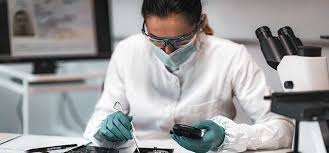
Once the evidence is safely out of the scene, it heads to the lab. This is where forensic scientists become the real detectives. Blood, hair, and saliva samples get processed through high-tech machines. Fingerprints get compared, and mysterious substances get identified.
This isn’t glamorous TV stuff — it’s hours of staring into microscopes and running tests. It takes insane patience and attention to detail. One tiny clue could be the difference between solving the case or hitting a dead end.
I read about a case where a single strand of hair left on a glove cracked the whole thing wide open. Imagine focusing that hard, knowing that justice literally hangs by a thread.
Ballistics, Blood Spatters, and Bones
Every case is different, so there are tons of forensic specialties. Ballistics experts match bullets to guns. Blood spatter analysts can look at how blood landed and piece together what went down. Forensic anthropologists study bones to figure out who someone was and how they died.
It’s like being part of a giant puzzle-solving team. Everyone brings their skills to the table to make sense of the chaos. The work is super detailed and sometimes really tedious, but when it all clicks, it’s worth it.
The Courtroom
Finally, the evidence makes its way to court. This is where forensic experts turn their science findings into stories the jury can actually understand. It’s not just about dropping facts — it’s about explaining why those facts matter.
Imagine standing in front of a room full of people who are skeptical and need answers. The pressure’s real, but your testimony could change everything. It’s science, but with real human stakes.
The Humans Behind the Lab Coats
Behind all the masks, gloves, and lab coats are real people who care deeply about what they do. These experts carry the weight of knowing that someone’s life could change based on their work. They’re not looking for TV-style glory; they just want the truth to come out.
Every case they solve means closure for a family or freedom for someone wrongly accused.
Shoutout to the Real Heroes
So next time you’re watching a crime show or scrolling through news about a solved case, remember the forensic experts working behind the scenes. They’re the ones who put in the hours, the brainpower, and the heart to make sure the truth comes out.
Forensic science shows us that facts don’t lie, but someone’s gotta dig those facts up. And for that, we owe these real-life heroes a massive thank you.